

Extreme weather and emergency events are becoming more frequent and more complex across Australia. Heatwaves, floods, bushfires, storms and public health emergencies can affect communities in different ways, often placing added pressure on people who are already vulnerable.
Volunteering plays an important role during these times, but it must be well coordinated to ensure support is effective, appropriate and safe.
Being informed and prepared is one of the most important ways individuals, volunteers and organisations can support their communities before, during and after emergencies.

How emergency volunteering works
During emergencies, individual states and territories may issue a call for emergency volunteers to help meet specific needs in their jurisdiction. These calls are led by government agencies and recognised emergency response organisations and form part of a formal response system.
Volunteer roles may support immediate response efforts or longer-term recovery, depending on the situation and local needs.
Examples of coordinated emergency volunteering
Across Australia, emergency volunteering has supported communities during a wide range of events, including:
-
- Heatwaves, where volunteers have helped with wellbeing check-ins, community cooling spaces, information sharing and support for people at risk of heat stress.
-
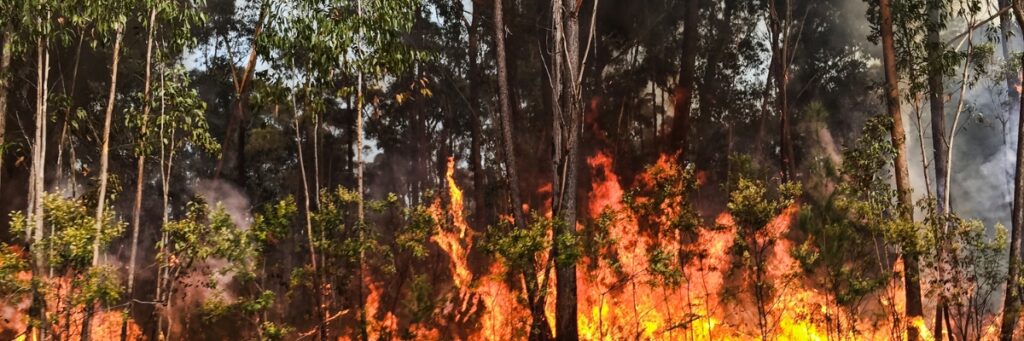
- Bushfires, including the 2019–20 summer fires, where volunteers assisted with recovery efforts such as community support services, clean-up activities and long-term recovery programs.
-
- Floods, particularly across New South Wales, Queensland and Victoria, where volunteers supported evacuation centres, recovery hubs, community clean-ups and local services.
-
- Cyclones and severe storms, where volunteers have supported evacuation centres, logistics and community recovery.
-
- Public health emergencies, including the COVID-19 pandemic, when volunteers across all states and territories supported people experiencing isolation, reduced access to services and community disruption.
In all cases, volunteers were mobilised through formal arrangements to ensure their safety and the safety of others.
Registering to help
If you are interested in supporting your community during an emergency, you can register your interest in advance through approved channels. This helps emergency services and organisations respond quickly when support is needed.
If you are called on to volunteer, you will work with organisations that are part of the formal emergency response. You will receive guidance, support and training appropriate to the role.
Turning up unannounced or volunteering outside official arrangements can place people at risk. Waiting for an official call ensures efforts are coordinated and genuinely helpful.
For volunteer-involving organisations
If you are a Volunteer Involving Organisation seeking emergency volunteers, please contact your state or territory Volunteering Peak Body. They can provide advice, coordination support and help connect your organisation with appropriate emergency response pathways.
For Individuals
There are opportunities to register your interest in volunteering to support your community in the event of an emergency. If you are called on to volunteer, you will work with organisations that are part of the formal response.
Emergency Volunteering Information from the Volunteering Peak Bodies
Before you volunteer
Staying informed
Understanding current conditions helps you make safer decisions for yourself and others. Follow advice from official sources and local emergency services so you are aware of risks related to heatwaves, fires, floods or other emergencies.
Being prepared
Emergency readiness starts at home. Having a basic plan in place, knowing how to stay safe in extreme weather, and preparing essential items can help reduce pressure during an emergency.
Registering through official channels
Emergency volunteering is coordinated for safety and effectiveness. Volunteering through approved organisations ensures you are supported and that efforts are aligned with the formal response.
Looking after your wellbeing
Emergency situations can be physically and emotionally demanding. Taking care of your own health, energy levels and emotional wellbeing is an important part of volunteering safely.
Following guidance and training
If you are called on to volunteer, you'll be provided with role-specific guidance and training. Following this advice helps protect you, your fellow volunteers and the wider community.
Be Emergency Ready
Emergency readiness helps individuals, volunteers and organisations reduce risk and respond more confidently when emergencies occur.
Trusted, practical information on preparing for emergencies is available through:
-
- Australian Red Cross – Be Emergency Ready
Practical guidance on preparing for heatwaves, bushfires, floods and other emergencies, including household plans, community connections and wellbeing considerations.
- Australian Red Cross – Be Emergency Ready
-
- State and Territory Emergency Services
Local emergency services provide region-specific advice, alerts and preparedness resources tailored to local risks.
- State and Territory Emergency Services
Taking simple steps to prepare can make a meaningful difference, especially for people who volunteer or support others in their community.